When this week’s snowstorm blanketed the region, the same stories emerged: school closures, people working from home, flight cancellations. But for millions of people with disabilities, the conversation misses a critical reality—snow days aren’t days off. They’re crises of access.
Consider what happens when the snow starts: Paratransit services pause or become unreliable. Direct Support Professionals can’t reach their clients. Accessible pedestrian routes disappear under snow that gets plowed onto curb cuts and sidewalks. Medical equipment loses power.
At Melwood, we see this compounding effect firsthand through the people we serve and employ.
Research from the 2021 Texas winter storm crisis illustrates these dangers with stark clarity. People with chronic conditions experienced severe pain and physical deterioration in their freezing homes. People dependent on electric-powered medical equipment were pushed to the absolute limits of their backup systems, with some down to their final battery when power was finally restored.
The ‘Snow Day’ Myth
For much of the population, a snow day means working from home, maybe a trip to the store, the ability to retreat to a warm car if needed. For people with disabilities, that simple calculus looks entirely different. Those living in poverty (a reality for a disproportionate number of people with disabilities) face these challenges in housing that tends to offer the least protection.
At Melwood, employment and community integration aren’t just services we provide—they’re the foundation of the independence and dignity that everyone deserves. When weather emergencies strike, we see what most employers and policymakers miss: the immediate impact on people with disabilities.
A person who spent months building the confidence and skills to commute independently suddenly faces impassable routes. An employee who carefully mapped accessible paths to work finds those routes blocked. The momentum toward economic self-sufficiency—so hard-won for many—can be derailed by a single storm that lasts just days but creates setbacks that persist for weeks.
The solution isn’t just better snow removal. It’s a fundamental rethinking of how we prepare for and respond to weather emergencies, with the needs of people with disabilities at the center rather than the margins. With that in mind, there are several little things we as individuals can do to help out during weather emergencies like the one we’re going through now.
Six Things You Can Do to Reduce Barriers During Snowstorms
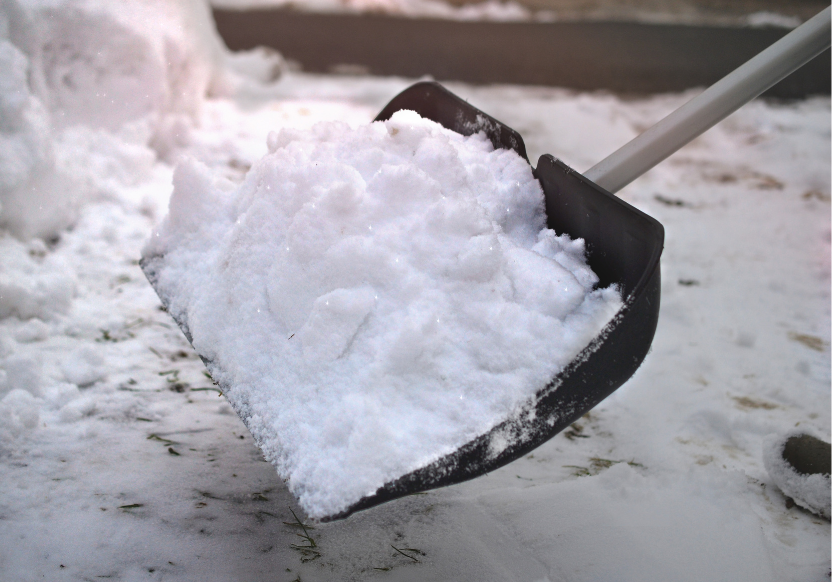
- Shovel with accessibility in mind: Clear sidewalks and curb cuts, ramps, and crosswalks. Don’t pile snow where mobility devices need to pass.
- Check on disabled neighbors—without assumptions: Offer specific help like groceries, prescriptions, or charging devices, and ask what support is actually useful.
- Offer transportation carefully: Provide rides when possible, but be honest about vehicle accessibility and avoid pickups or drop‑offs at icy or unplowed curbs.
- Normalize flexibility at work and school: Support flexible attendance and timelines during storms, and push back on expectations that ignore accessibility barriers.
- Remember this isn’t a one‑off: Use snowstorms as a reminder to notice and address accessibility barriers year‑round, not just during emergencies.
- Sustain support beyond the storm: When the snow melts, take concrete action by volunteering with Melwood or supporting organizations that create employment, access, and independence for people with disabilities year‑round.
Five Things Systems and Institutions Must Do
- Prioritize accessibility in snow removal: Clear curb cuts, sidewalks, and crosswalks with the same urgency as roads, and train plow operators to avoid burying accessible features.
- Invest in year‑round community support programs: Volunteer efforts like D.C.’s Snow Team must be well‑resourced, coordinated in advance, and treated as essential infrastructure—not last‑minute solutions.
- Ensure accessible emergency communication: Storm updates, closures, and emergency instructions must be provided in plain language and multiple formats so everyone can access critical information in real time.
- Protect people who are power‑dependent: Emergency plans should include priority power restoration, advance notifications, and accessible charging options for those relying on medical equipment and assistive devices.
- Maintain accessible emergency transportation and services: Paratransit and accessible transit options must continue during weather emergencies, and supply distribution should include alternatives to drive‑through‑only sites.
This week’s snowstorm will melt. Life will return to normal for most. But for people with disabilities in our region, “normal” already includes navigating a world that wasn’t built with their needs in mind. These storms simply make that reality impossible to ignore.